
Guides
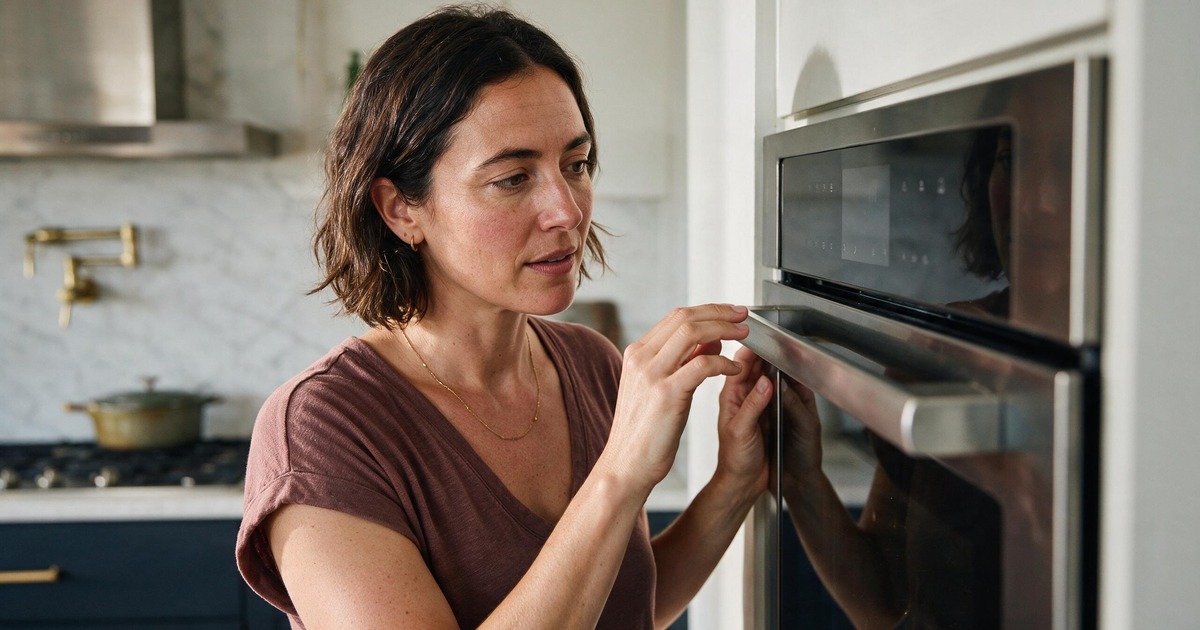
Wolf Oven Error Code Appears: What to Do First
Wolf Oven Error Code Appears. Learn likely causes, safe checks, model-specific guidance, and when professional Wolf appliance repair is appropriate.
Record the exact code and model before power is removed because different Wolf oven platforms can use different diagnostic structures.
A search for Wolf oven error code usually starts with one visible symptom, but the useful diagnostic question is what changed and under which operating conditions. Wolf has used multiple current and legacy product platforms, so the exact model and series should be identified before a generic repair assumption is applied.
What This Symptom Can Mean
On a Wolf oven, the same complaint can come from more than one area:
- Power or operating-state conditions that prevent normal heating.
- A door, latch, probe, fan, or temperature-sensing condition.
- A heating-element, relay, wiring, or control-output issue.
- A model-specific diagnostic condition that only affects one cooking mode.
- Heat or control behavior that changed after a high-temperature cycle.
These are diagnostic directions, not a replacement-parts list. A good repair process confirms which system is actually failing before a component is ordered.
Details to Note Before You Reset Anything
- Does the problem happen every time or only after the appliance has warmed up?
- Is the issue limited to one mode, burner, zone, drawer, or function?
- Did a code or text message appear at the same time?
- Did the symptom begin after cleaning, a spill, a power interruption, installation work, or an unusually hot cycle?
- Does one comparable function still work normally while another does not?
Those details help distinguish an operating condition from a repeatable component, control, power, wiring, sensing, ignition, heating, water, or mechanical problem.
Safe Checks You Can Make First
- Confirm the appliance has power and the breaker has not tripped.
- Make sure the oven door closes completely and nothing is blocking the latch or seal area.
- Note whether every cooking mode is affected or only Bake, Broil, Convection, Probe, or Self-Clean.
- Write down any displayed code before resetting power.
- If there is no smoke, burning smell, severe overheating, or repeated breaker trip, reset power once for about 30 seconds and retest.
If the safe checks do not change the symptom, stop there. The next step should be model-specific testing rather than more aggressive homeowner troubleshooting.
What Not to Do
- Do not bypass a door, lid, thermal, flame, or other safety device.
- Do not perform live electrical measurements unless you are qualified and following model-specific service procedures.
- Do not adjust internal gas valves or regulators as a homeowner.
- Do not keep repeating power resets when the same symptom immediately returns.
- Do not order a component only because an online post associates it with the symptom.
Premium appliances can still be damaged by incorrect troubleshooting, and a reset can temporarily hide a symptom without correcting the cause.
When to Stop Using the Appliance
Stop using the oven if it overheats, continues heating after the controls are off, produces smoke, smells like burning insulation, or repeatedly trips the breaker.
If you are unsure whether a smell, flame, heat condition, electrical event, or leak is safe, leave the appliance off until it can be evaluated.
What a Technician May Check
For this symptom, a professional diagnosis may include incoming power, heating loads, relays, RTD/temperature-sensor readings, fan feedback, door/latch circuits, wiring, and the model-specific control platform.
The exact test sequence depends on the model. A technician should reproduce the complaint when practical, confirm the operating mode, compare sensor/control response with the actual appliance behavior, and verify the repair after corrective work.
Why the Exact Wolf Model Matters
Wolf model generations are not interchangeable. Two appliances can look similar but use different controls, sensors, relays, ignition systems, communication architecture, water systems, or diagnostic codes.
Use the rating plate to record the full model number and serial number. Then connect this article to the relevant site resources: Wolf oven repair | Wolf oven error codes | Wolf oven models.
Can Cleaning or Maintenance Prevent the Problem?
Routine care can reduce some recurring issues, but maintenance should match the appliance family. Keep user-accessible control surfaces clean and dry, reinstall removable parts correctly, follow the manufacturer cleaning/descaling guidance, and avoid forcing doors, drawers, lids, controls, or burner assemblies.
Maintenance cannot correct a failed internal component, damaged wiring, a repeated breaker trip, or a diagnostic condition that immediately returns.
Repair or Replace?
A single symptom does not answer that question. For older Wolf products, consider the diagnosed repair, overall appliance condition, parts availability, installation fit, cabinetry/countertop constraints, and whether replacement would require electrical, gas, ventilation, or other installation changes.
Diagnosis should come before replacement whenever the appliance can be evaluated safely.
Frequently Asked Questions
Can I troubleshoot Wolf oven error code myself?
Yes, but keep troubleshooting to the safe, non-invasive checks on this page. Internal electrical, gas, sealed water-system, control, or microwave high-voltage diagnosis should be handled with the correct service procedures.
Should I reset the appliance?
One reset can be reasonable when there is no gas odor, smoke, arcing, external water leak, severe overheating, or repeated breaker trip. Record any displayed code first. If the problem returns, repeated resets are unlikely to correct the underlying condition.
Does this symptom tell me which part to replace?
No. The same symptom can be caused by power, wiring, connectors, sensors, controls, the monitored load, or a mechanical/installation condition. Confirm the cause before parts are ordered.
What should I provide when booking service?
Provide the full model number, serial number if available, exact symptom, affected mode/burner/zone, when the issue occurs, and any code or message shown on the display.
Schedule Wolf Appliance Repair
If the problem remains after the safe checks, schedule model-specific service. Provide the model, serial number if available, exact symptom, operating mode, and any displayed code or message. That gives the repair process a clearer starting point and reduces guess-based parts replacement.
https://www.subzero-wolf.com/assistance/answers/wolf/common/electric-oven-does-not-turn-on
Keep reading
Similar articles

Should You Repair or Replace an Older Wolf Appliance?
Should You Repair or Replace an Older Wolf Appliance?. Learn likely causes, safe checks, model-specific guidance, and when professional Wolf appliance…
How to Find Your Wolf Model Number Before Repair
How to Find Your Wolf Model Number Before Repair. Learn likely causes, safe checks, model-specific guidance, and when professional Wolf appliance repair is…
Wolf Appliance Smells Like Burning: When to Stop Using It
Wolf Appliance Smells Like Burning. Learn likely causes, safe checks, model-specific guidance, and when professional Wolf appliance repair is appropriate.
Book a repair
Tell us what’s wrong — we’ll take it from there
Share a few details and we’ll confirm an appointment. Prefer to talk? Call us and we’ll help right away.
Address
1200 Brickell Ave, Suite 400, Miami, FL 33131
Phone
(844) 886-0581
Hours
Mon–Sat: 8:00 AM – 7:00 PM
Service area
Serving Miami, New York, Houston, Los Angeles and San Diego metro areas.
Response time
Same-day and next-day appointments in most areas.